


phpopular | Exploring the Popularity of Simulation Games: A Dive into Virtual Reality
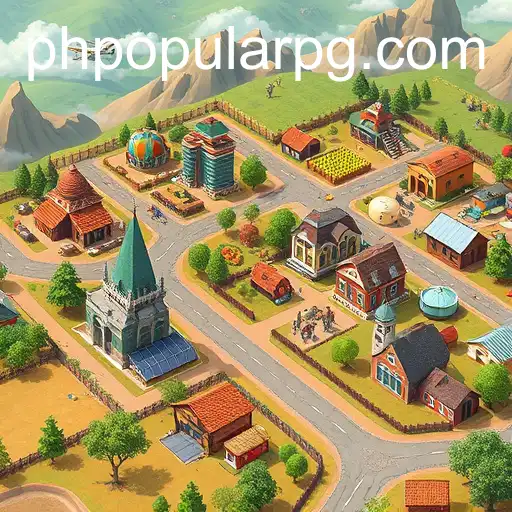
In the ever-evolving world of video games, few genres have managed to capture the enduring popularity that simulation games enjoy. These games, often categorized under the term 'Simulation Games,' offer players the chance to step into extraordinarily detailed virtual environments and undertake tasks ranging from mundane to fantastical. With 'phpopular' as a keyword highlighting their success, it’s worth exploring what makes simulation games so appealing and why they continue to dominate various gaming platforms.
One of the key reasons behind the popularity of simulation games is their unique ability to provide an immersive escape while simultaneously allowing for creativity and strategy. Whether it's managing a sprawling metropolis in 'SimCity,' tending to the day-to-day operations of a farm in 'Stardew Valley,' or even piloting commercial aircraft in 'Microsoft Flight Simulator,' these games provide authentic experiences that resonate with real-life complexities and decisions.
Another intriguing aspect of simulation games is the sheer variety available. Life simulations like 'The Sims' offer players control over entire lives and relationships in a freeform environment. On the other hand, construction and management simulations challenge players to carefully balance resources, planning, and execution. This variety caters to a wide range of interests, ensuring there’s something for virtually every type of gamer.
The advent of virtual reality has further expanded the horizons of simulation games. VR technology allows players to engage with simulation games in a more tactile way than ever before. Games like 'Job Simulator' or 'Keep Talking and Nobody Explodes' showcase how VR can transform simulation experiences into deeply interactive and memorable sessions. This technological leap has opened the doors to even more immersive possibilities, enticing both long-time fans of the genre and newcomers alike.
Moreover, the social aspect embedded in many simulation games adds another layer to their appeal. Games like 'Animal Crossing: New Horizons' allow players to visit each other's islands, fostering a sense of community and shared experiences. In today's increasingly digital world, these opportunities for social interaction in virtual settings have become invaluable.
As gaming continues to integrate more sophisticated technology and broader themes, the simulation genre will undoubtedly evolve as well. With new advancements on the horizon, simulation games promise to maintain their 'phpopular' status, continuing to engage and entertain a diverse audience of players worldwide.
